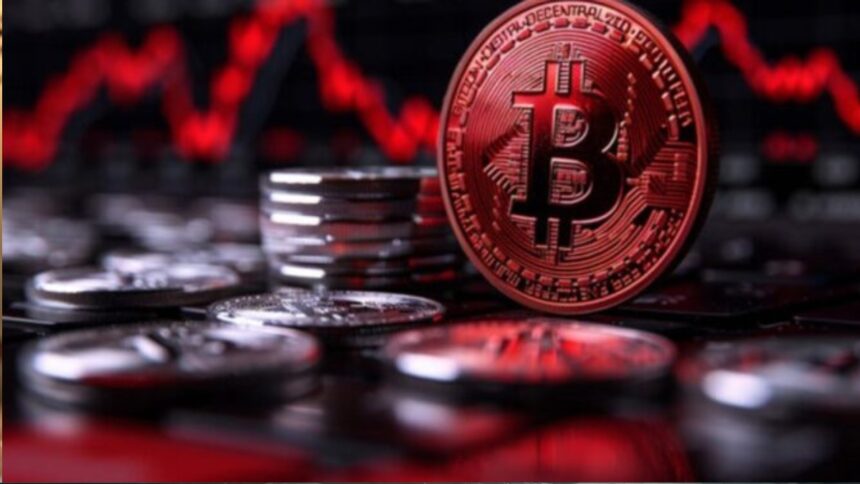
Bitcoin (BTC) experienced extreme volatility on the Binance exchange on Christmas night, with the price of the BTC/USD1 trading pair plummeting to $24,000 before rising above $88,000 today.
USD1 is a stablecoin Backed by USD and issued by World Liberty Financialan organization associated with the business environment of U.S. President Donald Trump and his family.
These fluctuations usually result from limited liquidity rather than general trend changes. In the digital asset market, New pairs often lack enough market makers to keep prices tight.
Under these circumstances, a single large market sale, liquidation, or targeted automated trade through this pair could cause the bid to disappear quickly.
The debate between manipulation and liquidity
Not all observers agree that it was a random technical error. Some, like a decentralized finance (DeFi) analyst who goes by the pseudonym CryptoNobler, argue that: it’s a collaborative operation.
“The insider went completely short, quickly driving the price down to $24,000, liquidating his long position and walking away with his profits,” the analyst said. According to your point of view, The event represented “pure organizational manipulation during the low-volume hours of Christmas Eve.”.
In contrast, Catherine Chan, Head of Business Development at Solv Protocol, asserts: Bitcoin did not crash to $24,000 organically on Binance. This was a liquidity event, Chan argued. According to their analysis, “This is because Binance and USD1 have launched deposit promotions with a fixed rate of return of 20% per year.”
During the promotional period, users who subscribe to the USD1 flexible product will enjoy up to 20% annual return rate, which includes exclusive bonuses in addition to real-time rewards, the Binance platform explained in an official statement.
According to a report from CriptoNoticias, USD1 has been operating on Binance, the world’s busiest exchange, since March last year, and new trading pairs with USD1 are becoming increasingly possible.
Arbitration restores normalcy
Chan explains that incentives have created an imbalance in the market. “Many users exchanged USDT for USD1, resulting in a premium of 0.39% for the latter coin, which is huge for a stablecoin,” he said.
“Smart investors borrowed $1 against their Bitcoin holdings in a lending protocol. “They either deposited the asset directly or slowly sold it to meet demand to obtain cash,” the expert explained.
autumn It is believed to have occurred when a trader decided to execute a large exit in an inefficient mannerMr. Chan said.
“The problem is that there is very little liquidity in this currency pair. This market order wiped out most of the buy orders, temporarily making the price very low. Arbitrage bots immediately bought it again,” he concluded, stressing: There have been no fundamental changes or large-scale liquidations..
Zhang’s words were supported by former Binance CEO Qiao Changpeng, who sought to dispel doubts about the exchange’s integrity.
“This shows that Binance is not involved in the operation,” Chao said. “The low liquidity of the new pair meant that the price could spike due to large market orders, but this was quickly corrected by arbitrageurs. As this pair is not included in any index, no liquidation took place,” it added to reassure users about the possibility of forced closing of their positions in other markets.