
The Bitcoin (BTC) derivatives market witnessed a sharp reversal on Tuesday, December 9th, with BTC funding rates dropping over 71% in the past 24 hours. cryptoquant Data from the same day. In other words, the number of long leveraged positions is decreasing as traders avoid excessive risk.
If Bitcoin funding rates continue to decline, it could signal a deeper move into more bearish territory. Such situations often lead to spikes in volatility, as even small price declines can trigger a wave of rapid liquidations.
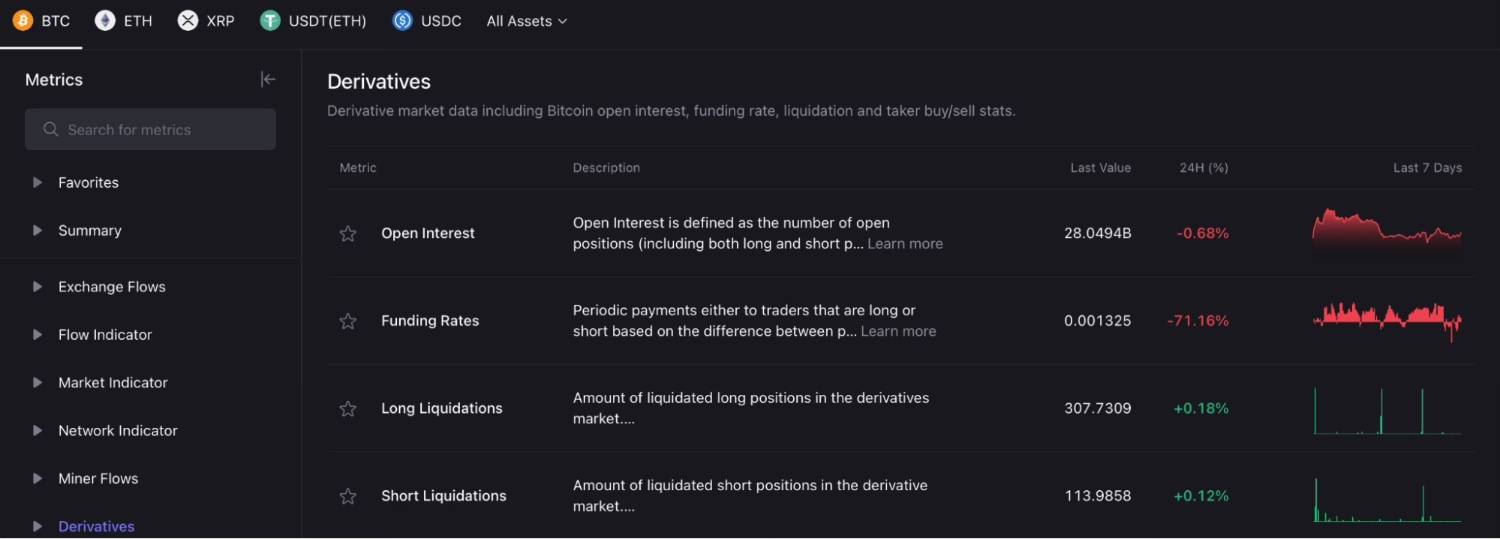
The collapse in BTC funding rates coincided with Bitcoin open interest falling by just 0.66%, suggesting that a small portion of long leveraged positions have already been liquidated.
Bitcoin funding rate declines ahead of major macro deadline
Bitcoin’s loss of optimism follows the broader crypto market, which fell into the red by nearly 2% in early hours on concerns about the Federal Reserve’s decision scheduled for tomorrow.
If the Fed adopts a more hawkish tone, a stronger dollar and tighter liquidity conditions could put more pressure on risk assets such as Bitcoin, prompting traders to unwind even more leveraged bets.
Considering that Bitcoin’s technical situation was also unremarkable, the asset was unstable in all aspects, which added to the anxiety.
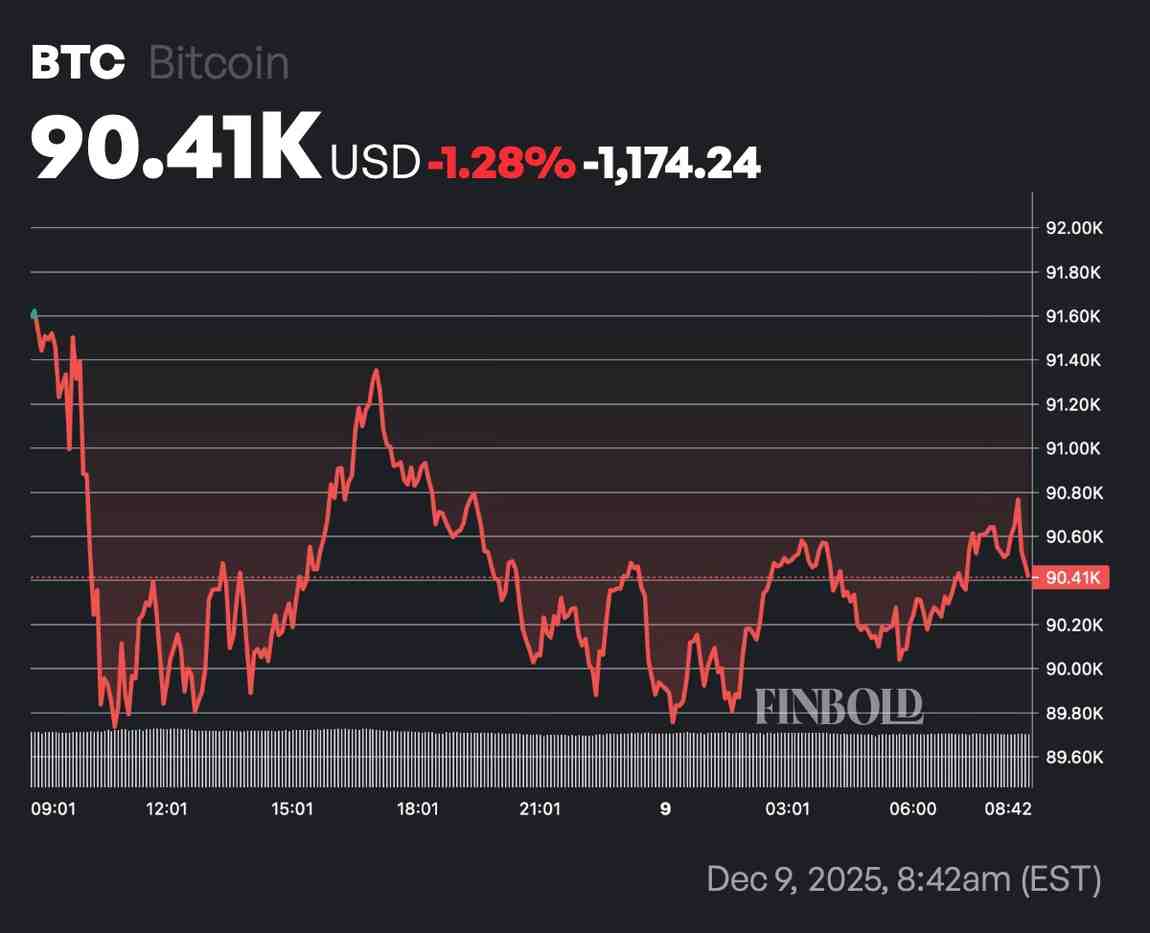
In fact, ‘Digital Gold’ was trading at $90,410 at the time of writing, down 1.28% on the day as the bear flag pattern was confirmed and a correction towards the $70,000 area was threatened.
The ongoing decline in Bitcoin funding rates therefore reflects a combination of factors, most notably an aggressive long-term unwinding and loss of speculative appetite in the face of major macro catalysts.
While certainly a bad omen at first glance, there is still a potential silver lining in this setup, which could set the stage for a more stable market structure in the short term once the issues are resolved. A similar scenario has already played out in August and October this year.
Traders will therefore be watching to see if the cooling in the leverage environment leads to consolidation or if new volatility emerges as the futures market resets.
Featured image via Shutterstock