
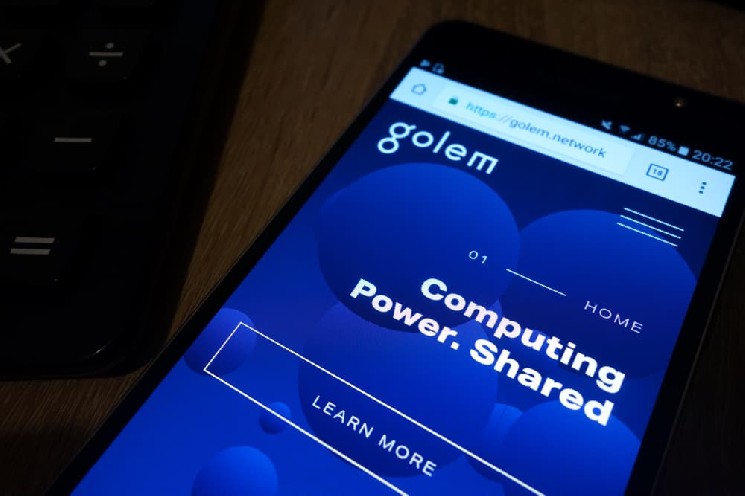
Salad.com, a GPU cloud platform built on a globally distributed infrastructure, and Golem Network, a distributed computing protocol, have entered into a partnership to test the use of Golem’s permissionless computing network in Salad’s existing cloud computing operations.
As part of the test, Salad plans to mirror and map some of its commercial operations across Golem’s decentralized network, covering the scope of the company’s cloud computing products and services, according to an announcement shared with Finbold on January 13.
Test distributed infrastructure for existing cloud workloads
This effort aims to explore whether a distributed physical infrastructure network (DePIN) can support the various customer profiles and workload types currently running on Sarada’s centralized platform.
Salad currently relies on a centralized stack of services to manage customer payments and distribute rewards across a global network of infrastructure providers.
The company said its use of traditional payment processors, pay-as-you-go billing platforms, and benefits suppliers complicates its operations given its international footprint. This test investigates whether cryptocurrency payments and decentralized computing practices result in efficiency gains.
“By combining Salad’s globally distributed infrastructure with Golem’s decentralized computing layer, we are exploring how customer workloads, revenue, and a broader rewards program can flow through DePIN. I first read Golem’s white paper in 2017, and this collaboration reflects our shared vision to make advanced computing power more accessible by empowering millions of individuals to contribute to underutilized devices.” Bob Miles, CEO of Salad.com, said: “This initial testing phase aims to demonstrate whether Web3 can power centralized cloud platforms with greater efficiency and openness. At the same time, it will help us understand how Salad’s margin profile fits into a sustainable tokenomics model when extending mirrored traffic over the Golem Network.”
Marketplace, payments, and interoperability assessment
The partnership will also evaluate Golem’s decentralized marketplace and payments infrastructure to determine whether it can provide a more transparent and cost-effective platform for value exchange.
Paweł Burgchardt, CPO of Golem Network, added:
“Our collaboration with Salad allows us to explore how Golem’s protocols can integrate with complementary marketplaces of computational resources. Insights gained from this experiment will help us refine Golem’s SDK and strengthen support for future integrations.”
Sarada said they began evaluating multiple DePIN protocols in the third quarter of 2025, and Golem emerged as the closest to the existing platform architecture. Initial testing has already provided technical insight to Salad’s engineering team.
Kyle Dodson, CTO of Salad, commented:
“The architecture that Golem provides, connecting compute requesters and compute providers through decentralized protocols, has significant overlap with how the Salad platform operates today. I’m excited to work with the Golem team to further drive efficiencies in both cost and compute orchestration for the platform as Salad works towards supporting cryptocurrency payments, a frequently requested feature.”
The companies said the collaboration is focused on demonstrating how Web2 and Web3-based marketplaces can interoperate, particularly for workloads such as AI inference, drug discovery simulation, and 3D rendering. Further technology and product updates are expected as engineering testing progresses.
Featured image via Shutterstock.